Last verified: August 2026. Government travel advisories change, so always check the current advisory for your nationality before you fly.
Zamboanga City can be visited by tourists, but travelers should understand the current travel advisories and take sensible precautions. The city’s main tourist attractions, hotels, restaurants, commercial areas, and organized tours operate within an established urban tourism environment.
However, safety conditions can vary across Mindanao and nearby areas. Government travel advisories cover parts of Mindanao because of risks including terrorism, kidnapping, crime, and civil unrest. These warnings do not mean that every location in the region has the same level of risk.
If you are planning to visit Zamboanga City, stay within established tourist areas, use reputable transportation and tour operators, avoid unfamiliar areas at night, and check your government’s latest travel advisory before your trip.
Table of Contents
ToggleZamboanga City Safety at a Glance
If you are asking, “Is Zamboanga City safe for tourists?”, the answer depends on where you go, how you travel, and the latest local and international travel advisories.
For most visitors, these are the most important safety considerations:
Tourist areas: Stay within established tourist areas and follow local guidance.
Daytime sightseeing: Daytime sightseeing in established tourist areas is the preferred option for visitors.
Organized tours: Use reputable and accredited tour operators, especially for boat trips and excursions outside the city center.
Transportation: Use established transportation services and avoid accepting rides from unknown individuals.
Night travel: Avoid unfamiliar or isolated areas after dark.
Remote areas: Do not travel into remote or restricted areas without checking current local conditions and official advice.
Nearby destinations: Do not assume that the safety situation in Zamboanga City is the same as in Basilan, Sulu, Tawi-Tawi, or other parts of Mindanao.
Travel advisories: Check the latest government advisory for your nationality before booking and again before departure.
What official travel advisories actually say
Travel advisories are an important part of understanding whether Zamboanga City is safe for your trip. Different governments assess risk differently, and their guidance can change over time.
A few foreign governments currently list parts of Mindanao under heightened travel advisories:
- The US State Department places most of Mindanao, including Zamboanga City, at Level 3: Reconsider Travel. Sulu, Basilan, Tawi-Tawi, and Marawi City are classified as Level 4: Do Not Travel. View the current advisory
- The UK Foreign, Commonwealth & Development Office (FCDO) advises against all travel to western and central Mindanao and the Sulu Archipelago, and against all but essential travel to much of the rest of Mindanao. View the current advisory
- Australia’s Smartraveller also advises caution for parts of central and western Mindanao due to security risks.
These advisories exist for real and documented reasons. Over the years, there have been incidents involving armed groups, including kidnappings and attacks, primarily in the Sulu Archipelago, Basilan, and other remote or coastal areas.
It is important to understand that these warnings apply to broad regions of Mindanao and do not mean that every city, neighborhood, or tourist activity carries the same level of risk.
Zamboanga City itself operates as an urban center with established tourist areas, hotels, and regulated tours. If you’re looking for a straightforward introduction to the city, the Half Day City Tour covers several established heritage and cultural sites with a local guide. However, travelers should still stay informed, follow local guidance, and avoid travel into areas covered by official warnings.
Before your trip, always check the latest travel advisory from your own government, and review it again shortly before departure.
Zamboanga City vs. the Wider Mindanao Region
One reason travelers become confused when researching Zamboanga City safety is that travel advisories often cover large parts of Mindanao.
Zamboanga City is an urban center with established hotels, restaurants, shopping areas, transportation services, tourist attractions, and organized tours. The safety considerations for a visitor staying within the city’s established tourist circuit are not necessarily the same as those for someone traveling through remote areas or other provinces.
The wider region includes destinations with different security conditions and different travel advisories. Basilan, Sulu, Tawi-Tawi, and other areas should be assessed separately before you add them to your itinerary.
For this reason, do not use a general statement about Mindanao to determine whether a specific activity in Zamboanga City is appropriate for your trip. Check the current advisory for the exact destination and follow local authorities and your tour operator’s guidance.
If your itinerary includes travel outside Zamboanga City, research each destination separately rather than assuming that the same safety conditions apply everywhere.
What this looks like day-to-day in the tourist areas
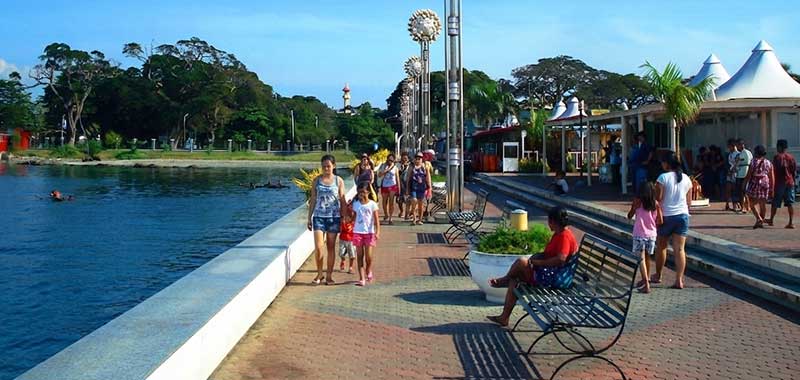
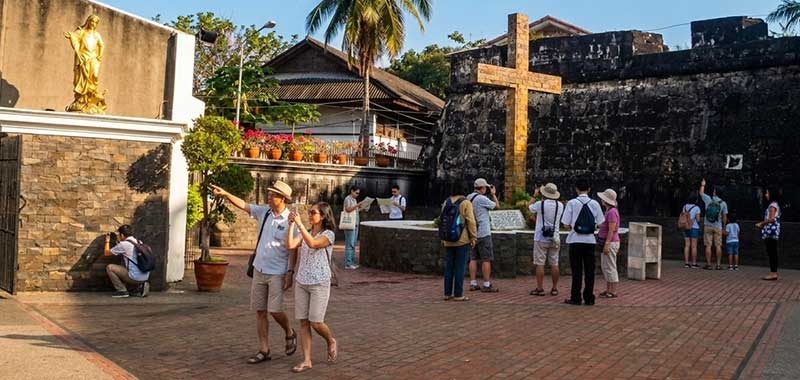
Here’s what the advisories don’t tell you. Zamboanga City runs an active, city-backed tourism calendar of its own. Every October, the Zamboanga Hermosa Festival draws thousands of visitors to Fort Pilar under a coordinated security plan. Hotels in the tourist district treat bag checks and metal detectors as routine. Markets, the boardwalk, and restaurants run the way they do in any Philippine city: busy, welcoming, and normal, with the same everyday precautions you’d take against pickpockets or an overpriced tricycle fare anywhere else.
The picture changes once you step off that circuit. Unaccompanied travel into remote coastal towns, rural parts of the wider peninsula, or the Sulu Archipelago is a different situation, and it’s exactly what those advisories are warning about. A sobering case from 2024, where a foreign resident living independently in a remote coastal town in a neighboring province was abducted, is a reminder of where that risk actually sits: unaccompanied, off-grid travel far from any tour route, not a guided day trip through the city.
Why we route every visitor through a vetted local operator
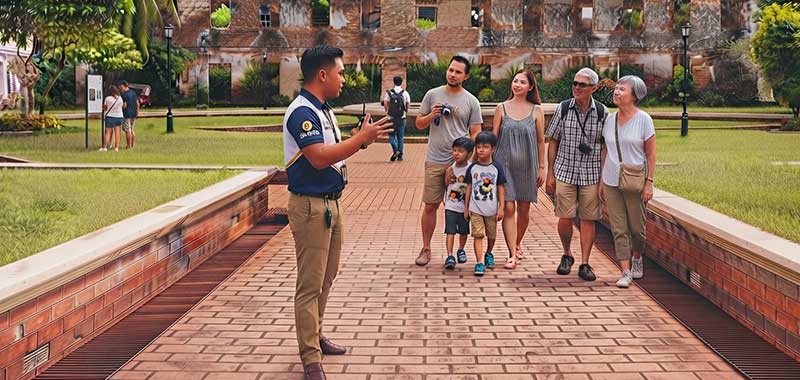
This is exactly why every tour on this site runs through iTravel Tourist Lane, a Department of Tourism-accredited operator based right here in Zamboanga City. Every itinerary sticks to the established, well-secured tourist circuit. Every group travels with a local guide who knows what’s happening on the ground today, not last year. That’s something no advisory page can tell you, and it’s the single best way to enjoy this city with real peace of mind.
Practical Safety Tips for Visiting Zamboanga City
Knowing the answer to “Is Zamboanga City safe?” is only part of planning a trip. Your behavior, preparation, and awareness of local conditions also matter.
Stay in established tourist areas
For your first visit, focus on established attractions, commercial areas, hotels, restaurants, and places commonly used by visitors. If you are unfamiliar with an area, ask your hotel or tour operator for current local guidance before going out.
Travel during daylight when possible
Plan sightseeing and outdoor activities during daylight hours when practical. If you need to travel at night, use established transportation and avoid unfamiliar or isolated areas.
Use reputable tour operators
For island tours, boat trips, and excursions, always use accredited and reputable operators. Do not accept informal offers for transport or tours from strangers.
If you prefer to explore with a local guide, you can also browse the Zamboanga City tours available through Visit Zamboanga. Every tour is operated by a DOT-accredited local operator based in Zamboanga City.
Register with your embassy (recommended for foreign travelers)
If you are visiting from abroad, consider registering with your government’s travel program:
- United States: STEP (Smart Traveler Enrollment Program)
- United Kingdom: FCDO travel updates via gov.uk
- Australia: Smartraveller registration
This helps your embassy contact you in case of emergencies.
Keep valuables secure
Carry only what you need when sightseeing. Keep phones, wallets, passports, and valuables secure, especially in crowded areas such as markets and transport hubs.
Be careful with transportation
Use established transportation services and confirm your destination and fare before starting a trip. If your hotel or tour operator recommends a provider, use that as your default option.
Avoid travel into higher-risk or restricted areas
Do not travel into areas covered by current government “Do Not Travel” or high-risk advisories, including the Sulu Archipelago, Basilan, and Tawi-Tawi. These areas are outside standard tourist routes and are not part of typical visitor itineraries.
If your trip includes destinations outside Zamboanga City, check the latest advisory for each location individually.
Monitor local conditions
Travel conditions can change. Check local news, weather updates, and official government advisories during your stay. Your hotel or tour operator can also provide real-time local guidance.
Get appropriate travel insurance
Make sure your travel insurance clearly covers the Philippines and Mindanao. Some policies exclude or limit coverage in areas under higher advisory levels, so always read the fine print before traveling.
Keep important documents accessible
Keep copies of your passport, insurance, accommodation details, and emergency contacts in a secure place. Carry identification as recommended by local authorities.
Is Zamboanga City Safe for Solo Travelers?
Zamboanga City can be explored by solo travelers who use sensible precautions and plan their activities carefully.
If you are traveling alone, stay in established accommodations, use reputable transportation, and consider joining organized tours for activities that involve boats or unfamiliar locations. Keep someone you trust informed about your daily itinerary, particularly when leaving the main tourist areas.
Solo female travelers should follow the same precautions. Avoid isolated areas at night, be cautious about accepting help or transportation from strangers, and choose established businesses and tour operators.
The most important point is to stay informed. Safety conditions can change, so check current travel advisories and ask your accommodation or tour operator about local conditions before heading to unfamiliar areas.
Is Great Santa Cruz Island safe to visit?
Great Santa Cruz Island and Pink Beach are among Zamboanga City’s most visited tourist attractions. Many travelers visit safely each year by joining organized tours arranged through accredited operators.
Safety depends on following proper travel procedures. Visitors should only book with licensed tour operators, follow all instructions from boat crews and guides, and pay attention to weather and sea conditions before departure.
Island tours may be adjusted or canceled when conditions are not safe, and travelers should always follow local authority guidance. It is important not to assume that any island destination is automatically safe without checking current conditions.
Before You Travel to Zamboanga City
Before you leave for Zamboanga City, take a few minutes to check the latest information.
Check your government’s current travel advisory for the Philippines and Mindanao.
Confirm your accommodation and transportation arrangements.
Check the weather forecast, especially if you are planning an island or boat tour.
Save your accommodation details and important contact numbers.
Review your travel insurance policy and check whether it contains exclusions related to travel advisories or specific areas of Mindanao.
If you plan to travel outside Zamboanga City, research each destination separately.
Follow the instructions of local authorities, your accommodation, and your tour operator during your stay.
Planning your visit
Once you’ve checked the current travel advisory and decided that Zamboanga City is right for your trip, the next step is figuring out what you actually want to see.
Visit Zamboanga offers guided city, food, culture, beach, and nature tours operated by a DOT-accredited local operator. You can browse the available tours and choose what fits your schedule.
Frequently Asked Questions
Is Zamboanga City safe for tourists?
Zamboanga City can be visited by tourists who stay informed, follow local guidance, and take normal travel precautions. However, travelers should understand that government advisories cover parts of Mindanao and nearby areas because of security risks. Check the latest advisory for your nationality before traveling.
Is Zamboanga City safe for foreign tourists?
Foreign tourists can visit Zamboanga City, but they should take the current travel advisories seriously and avoid areas covered by government warnings. Stay within established tourist areas, use reputable transportation and tour operators, and monitor local conditions during your trip.
Is Zamboanga City safe for solo travelers?
Solo travelers should use sensible precautions, particularly when traveling at night or visiting unfamiliar areas. Stay in established accommodations, use reputable transportation, and consider organized tours for activities outside the city.
Is Great Santa Cruz Island or Pink Beach safe to visit?
Great Santa Cruz Island and Pink Beach are established tourist attractions in Zamboanga City. Visitors should use reputable tour operators, follow local security guidance, and check weather and sea conditions before traveling.
What areas should tourists avoid in Zamboanga City?
Travelers should avoid restricted areas and any locations covered by current government travel warnings. Conditions can change, so ask your accommodation or tour operator for current local guidance and check the latest advisory before visiting unfamiliar areas.
Do I need special travel insurance for Zamboanga City?
Check your travel insurance policy before booking your trip. Some policies may contain exclusions related to destinations covered by government travel warnings. Confirm directly with your insurer that your planned itinerary is covered.
Where can I check the current travel advisory before visiting Zamboanga City?
Check the official travel advisory published by your own government before your trip. The U.S. Department of State and UK Foreign, Commonwealth & Development Office both publish current guidance for travelers visiting the Philippines. Travel advice can change, so check again shortly before departure.