This Zamboanga City travel guide is a plain-language introduction to one of the most distinctive cities in the Philippines. Zamboanga City sits at the far southwestern tip of Mindanao, closer to Malaysia and Borneo than to Manila, and it feels like nowhere else in the country.
It is the home of Chavacano, a Spanish-based creole language. It has a 17th-century fortress, a pink sand beach, a living Yakan weaving tradition, and a food scene that surprises almost everyone who tries it.
Most visitors arrive knowing very little, so this page works like a wiki. Use it to understand the city first, then follow the links to go deeper on anything that interests you.
Table of Contents
ToggleZAMBOANGA CITY AT A GLANCE
Zamboanga City is a highly urbanized city on the southwestern tip of Mindanao, Philippines, known as the “City of Flowers” and “Asia’s Latin City” for its Chavacano language and Spanish-era heritage.
| 📍 Location | Southwestern tip of the Zamboanga Peninsula, Mindanao, Philippines |
| 🏛️ Region | Region IX (Zamboanga Peninsula), Western Mindanao |
| 👥 Population | Roughly 977,000 residents (2020 census) |
| 🗣️ Languages | Chavacano, Cebuano, Tausug, Sama, Yakan, Filipino, and English |
| 🏷️ Nicknames | City of Flowers, Asia’s Latin City |
| ✈️ Airport | Zamboanga International Airport (ZAM) |
| 💵 Currency | Philippine peso (₱) |
| 🕐 Time zone | Philippine Standard Time (UTC+8) |
| ⛪ Landmark | Fort Pilar Shrine, built in the 1600s |
| 🎉 Big festival | Hermosa Festival, climaxing on October 12 |
| 🏝️ Famous for | Pink Beach, vintas, Chavacano, sardines, curacha, Yakan weaving |
1. WHERE ZAMBOANGA CITY IS
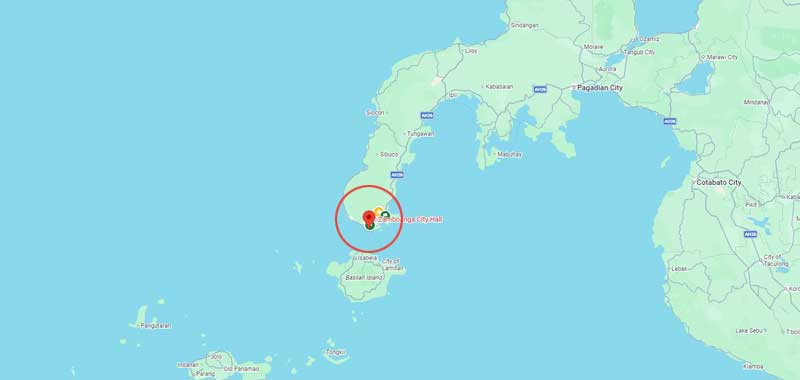
Zamboanga City is on the southwestern tip of the Zamboanga Peninsula, the arm of land that reaches out from western Mindanao. It faces the Basilan Strait to the south, with Basilan Island visible across the water on a clear day. Further south and southwest lie the Sulu Archipelago and, beyond it, Malaysia and Indonesia.
The city is also one of the largest in the Philippines by land area. That is why a single city contains downtown streets, rice paddies, coastal villages, forested hills, and offshore islands. When you read a Zamboanga City travel guide that mentions “the city,” it often means a wide, spread-out area rather than a compact downtown.
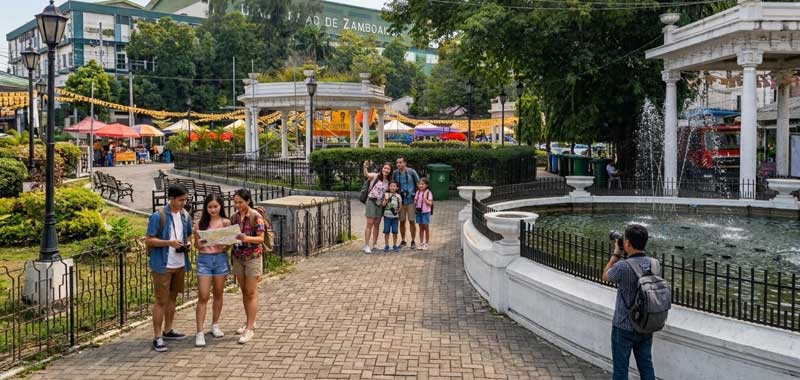
For orientation, most visitors stay in the central district around City Hall and Paseo del Mar. Sights like Pasonanca Park, Yakan Village, and Merloquet Falls are a short to moderate drive from there. Island destinations such as Sta. Cruz Island and Once Islas need a boat.
For more on the geography of tourism here, see our Things to Do in Zamboanga City guide.
2. A SHORT HISTORY OF ZAMBOANGA CITY
The name Zamboanga is commonly traced to a Malay word associated with flowers or a landing place, which is part of why the city is called the City of Flowers. Long before European contact, the area was part of a trading world that connected the Sulu Sea, Borneo, and the wider Malay world.
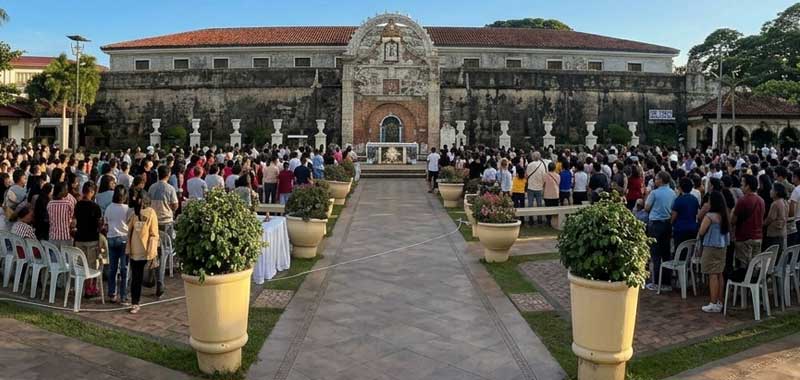
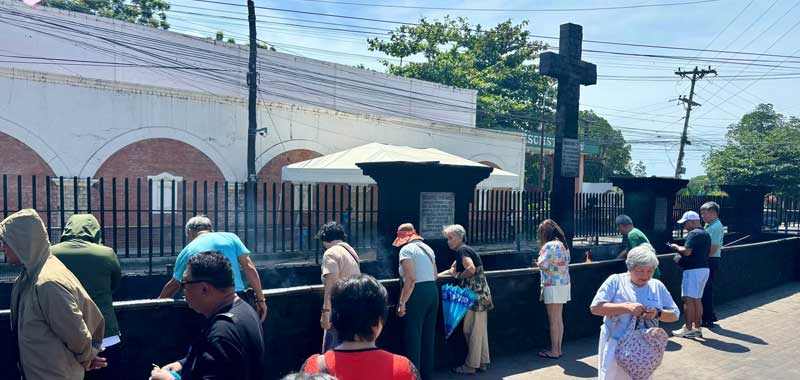
The Spanish arrived in the 1500s and built a fortress here in 1635. That fort is today’s Fort Pilar Shrine, the single most recognizable historic site in the city. Spanish influence shaped the religion, architecture, family names, and eventually the language of the local population.
In the early 1900s the Americans took over, and several landmarks of the Heritage Zone date from that period. Zamboanga City Hall, for example, was built between 1905 and 1907. Zamboanga became a chartered city in 1936, and its patron, Our Lady of the Pilar, is honored every year at the Hermosa Festival.
You can walk through this history on our Heritage Zone Walking Tour, or see more of it on the Historical City Tour.
3. THE PEOPLE AND LANGUAGES OF ZAMBOANGA CITY
Zamboanga City is one of the most culturally mixed cities in the country. Zamboangueño families trace their roots to the Spanish colonial period. Alongside them live Tausug, Sama, Badjao, Yakan, Subanen, and many other communities, plus settlers from the Visayas and elsewhere in Mindanao.
The city’s signature language is Chavacano, a Spanish-based creole. It sounds like a mix of Spanish vocabulary and local grammar, and it is spoken almost nowhere else in the Philippines. Most residents also speak Cebuano or Filipino, and English is widely understood in hotels, tourism, and with your guide.
You do not need to speak Chavacano to get around. A few words go a long way, though. Locals love it when visitors try.
For travelers, this mix is the real appeal. In a single day you can visit a Spanish-era fort, watch a Yakan weaver at a backstrap loom, and eat Tausug-influenced dishes for lunch. Religious diversity matters too. Catholic churches and mosques are both part of everyday life, so modest dress and polite photography habits are appreciated.
4. ZAMBOANGA CITY CULTURE AND FESTIVALS
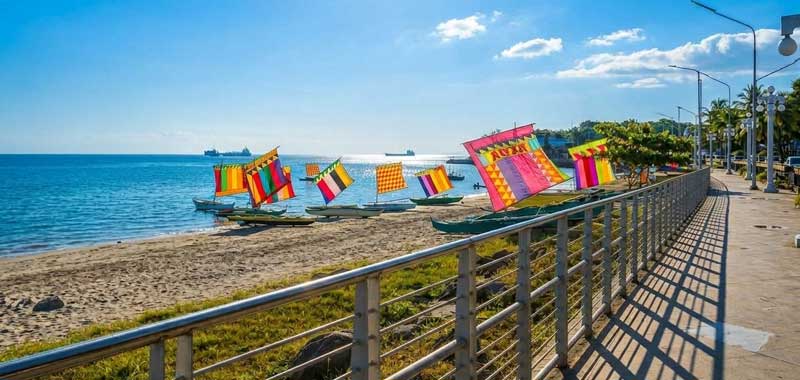
Culture in Zamboanga City is visible, audible, and edible. The vinta, a sailboat with brightly striped sails, is the city’s symbol and appears in photographs and murals throughout town. Yakan textiles, with their bold geometric patterns, are the most famous local craft.
The biggest annual event is the Hermosa Festival, held through October and honoring Our Lady of the Pilar on October 12. Highlights include the Regatta de Zamboanga vinta race, street dancing, and religious celebrations centered on Fort Pilar Shrine. It is the best time to see the city’s civic pride on full display.
Two food-led events deserve a mention. Wow Sardines is a free sardine feast during the Hermosa Festival that celebrates the city’s canning industry. Savores de Zamboanga is a weekend food hub at the City Hall grounds, launched in 2026, with local vendors and live entertainment.
5. FOOD IN ZAMBOANGA CITY
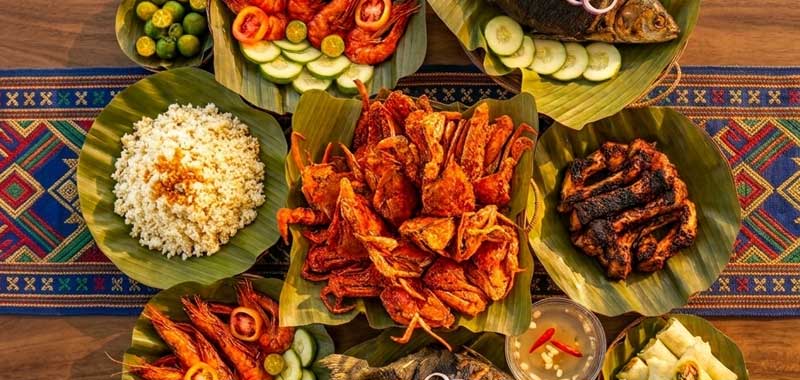
Food is one of the strongest reasons to visit. Zamboanga cooking blends Spanish, Southeast Asian, Tausug, and Sama traditions, so the menu looks very different from the adobo and sinigang most people expect.
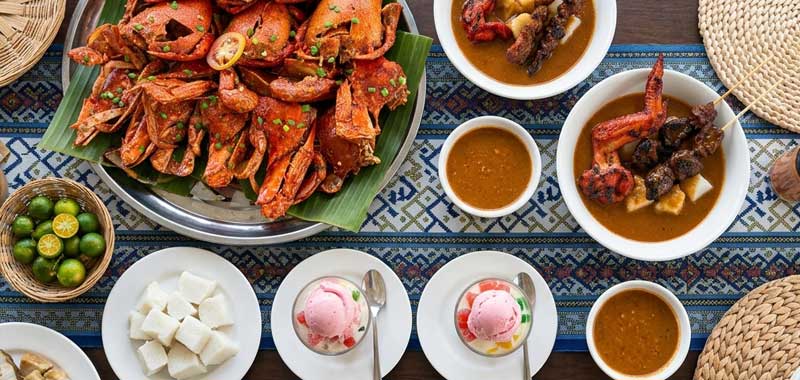
Start with satti, grilled skewers in a tangy red sauce served with rice cooked in woven leaves, usually eaten at breakfast. Try curacha, a local crab served in Alavar sauce, though it is a seasonal catch. Finish with Knickerbocker, the city’s colorful layered dessert.
You will also find paella Chavacano, tiyula itum (a “black soup”), chicken pyanggang, and pastil. A dedicated guide to each dish is planned.
If you would rather have meals handled for you, the Food and Culture Tour is built around this food culture, with breakfast, lunch, and dinner included.
6. CLIMATE AND THE BEST TIME TO VISIT
Zamboanga City has a tropical climate with warm temperatures all year. It sits south of the main typhoon belt, so it is generally spared the direct typhoon hits that affect much of the Philippines. Rain still falls, and sea conditions affect boat trips.
As a general rule, the drier months give calmer water, clearer snorkeling, and safer footing on trails like the one at Merloquet Falls. The wetter months bring fewer crowds and lower prices. October adds the Hermosa Festival, which many travelers plan their trip around.
Pack light, breathable clothing, sunscreen, a hat, and a light rain layer whatever the month. For a month-by-month breakdown, read Best Time to Visit Zamboanga City.
7. GETTING TO AND AROUND ZAMBOANGA CITY
How to get to Zamboanga City
Most visitors fly into Zamboanga International Airport (ZAM), which has direct flights from Manila, Cebu, Davao, and Iloilo on Cebu Pacific and Philippine Airlines. Flights from Manila take just under two hours. Despite its name, ZAM is classed as a domestic airport, so international travelers connect through Manila or Cebu first.
You can also arrive by sea. 2GO Travel runs a multi-day ferry from Manila to the Port of Zamboanga, and shorter regional routes link the city with nearby provinces. Schedules shift, so confirm them before booking.
Our full guide, Getting to Zamboanga City: Flights, Ferries, and Airport Guide, covers airlines, travel times, and what to expect at the airport.
Very close by, Basilan Island is reached by fast craft ferry from the Zamboanga seaport. Tawi-Tawi, further south, is reached by a separate onward flight. See the safety section below before considering either.
Getting around the city
Common ways to get around include tricycles, jeepneys, taxis, and hired vehicles. Availability of ride-hailing apps varies, so ask your hotel what works best on the day. Because the city is spread out, a private van with a driver or guide is the easiest way to cover several sights in one day.
That is exactly what our van-based tours provide. The Half Day City Tour covers Pasonanca Freedom Park and the Heritage Zone in four hours. For a beach day, the Pink Beach Sta. Cruz Island Tour handles the boat as well.
8. MONEY AND PRACTICAL TIPS
The currency is the Philippine peso. Cards work at most hotels and malls, but carry cash in small bills for markets, small vendors, and island stops. GCash is widely used and also works for tour payments, as explained on How Booking Works.
Mobile signal is generally good in the city and weaker on islands and in remote areas. Download maps and keep a power bank. Bottled water is widely available.
Dress modestly when visiting mosques, churches, and community sites. A light scarf or shawl is easy to carry. Ask before photographing individuals, especially weavers, vendors, and worshippers. Check the Philippine Bureau of Immigration or your nearest embassy for visa rules before you book flights, since requirements depend on nationality.
Not sure how to reserve a tour? Our FAQ and Contact Us pages cover the common questions.
9. IS ZAMBOANGA CITY SAFE?
Zamboanga City currently falls under a Level 3 “Reconsider Travel” advisory from the U.S. State Department. A higher Level 4 “Do Not Travel” advisory applies to the Sulu Archipelago, which includes Basilan, Sulu, and Tawi-Tawi. These are different tiers, and it matters which place you are visiting.
Many visitors tour the city without problems, especially on organized, guided itineraries. Sensible habits help: stay with your guide at less familiar sites, keep valuables out of sight, and check your own government’s advisory before you travel. Advisory levels change, so always read the current version.
Our guide Is Zamboanga City Safe for Tourists? covers this in full. Our Sulu Archipelago Side Trips carry their own advisory sections, so read those carefully before reserving.
TOP PLACES TO VISIT IN ZAMBOANGA CITY
This section is a summary only. The full list lives in Things to Do in Zamboanga City.
- Fort Pilar Shrine: the 17th-century fort and open-air shrine, with the National Museum branch inside its grounds.
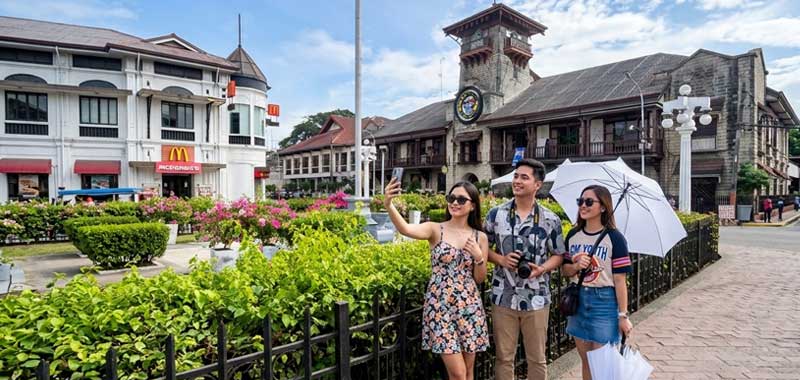
- Heritage Zone and Paseo del Mar: City Hall, Plaza Pershing, Rizal Park, Pettit Barracks, and the waterfront promenade.
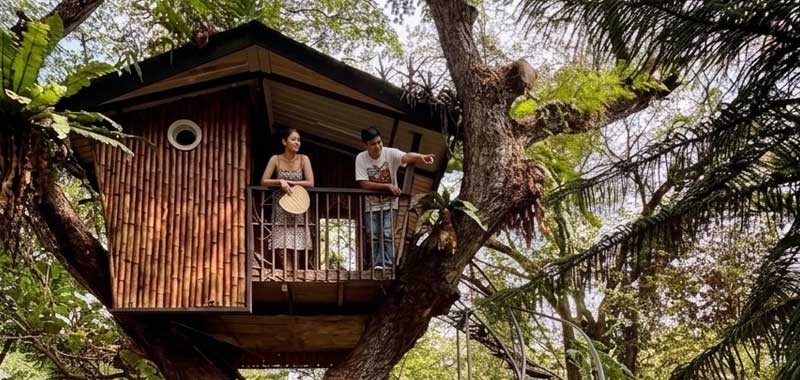
- Pasonanca Freedom Park: green space with a bamboo treehouse and Boy Scout Camp.
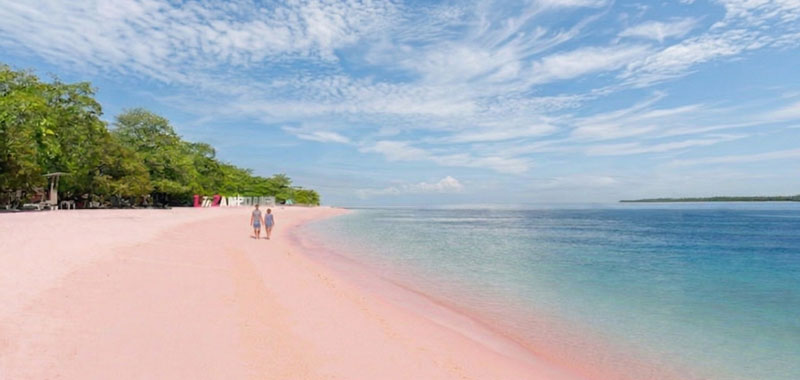
- Great Sta. Cruz Island (Pink Beach): one of the few pink sand beaches in the world, a short boat ride away.
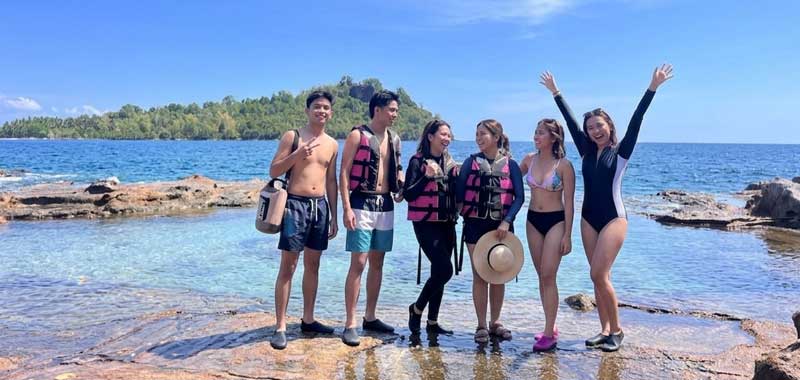
- Once Islas: a quieter island group known for rock formations and a natural tidal pool.
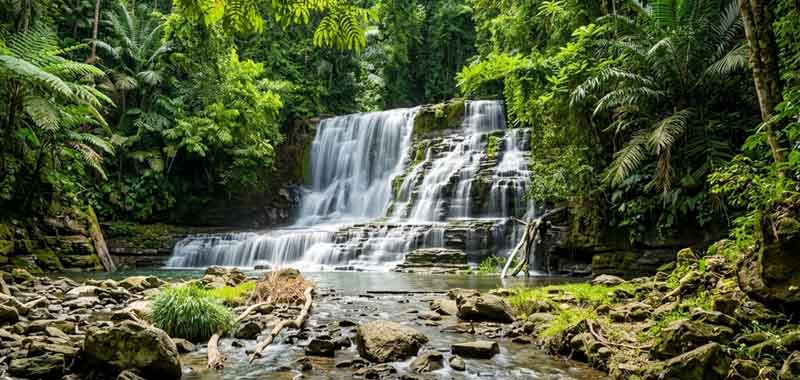
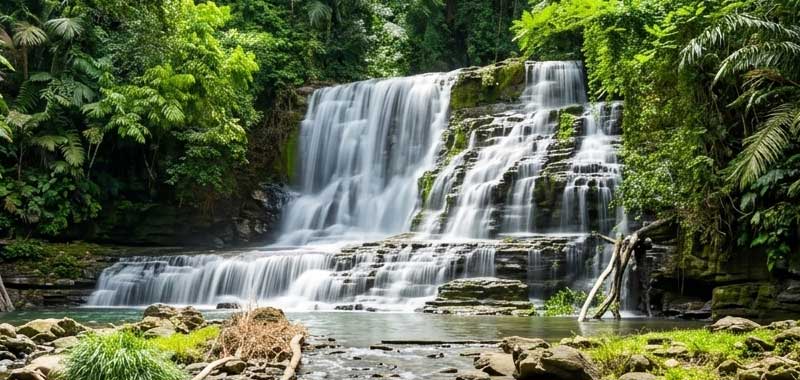
- Merloquet Falls: a two-tier waterfall in Barangay Sibulao, reached by a paved stairway trail.
- Yakan Weaving Village and Canelar Barter Trade: craft and market stops with strong local character.
SAMPLE ITINERARIES FROM THIS ZAMBOANGA CITY TRAVEL GUIDE
These are starting points, not rules. Pair a sightseeing day with a rest or beach day for a better pace.
If you have a few hours: The Heritage Zone Walking Tour covers the compact civic core on foot in two hours.
If you have one day: Choose the Historical City Tour for heritage, weaving, and shopping, or the Food and Culture Tour for the same route with all meals included.
If you have two days: Spend day one on the city and day two at the Pink Beach Sta. Cruz Island Tour.
If you have three days or more: Add the Merloquet Falls Eco Tour for nature and the Once Islas Day Tour for a quieter island day.
FREQUENTLY ASKED QUESTIONS
What is Zamboanga City known for?
Zamboanga City is known for Chavacano, its Spanish-based creole language, Fort Pilar Shrine, vinta sailboats, the nearby pink sand beach on Sta. Cruz Island, Yakan weaving, and its sardine and seafood industry. It is nicknamed the City of Flowers and Asia’s Latin City.
Where is Zamboanga City located?
It is at the southwestern tip of the Zamboanga Peninsula in Western Mindanao, Philippines, facing the Basilan Strait.
Is Zamboanga City worth visiting?
Yes, especially for travelers who want a side of the Philippines that feels different from the usual beach circuit. Its mix of history, culture, food, and islands rewards a visit of two to four days.
What language do they speak in Zamboanga City?
Chavacano is the signature language, alongside Cebuano, Tausug, Sama, Yakan, Filipino, and English. Visitors can get by in English.
How do I get to Zamboanga City?
Most travelers fly into Zamboanga International Airport (ZAM) from Manila, Cebu, Davao, or Iloilo. A ferry from Manila is also possible. See our Getting to Zamboanga City guide for airlines, travel times, and airport tips.
How many days do I need in Zamboanga City?
Two to three days covers the city and one island trip. Add a day for each extra tour such as Merloquet Falls or Once Islas.
Is Zamboanga City safe for tourists?
Zamboanga City is under a Level 3 advisory, a lower tier than the Level 4 advisory for the Sulu Archipelago. Many visitors tour safely on guided itineraries. Read our full safety guide and check your government’s current advisory.
What is the best time to visit Zamboanga City?
The drier months generally suit island and trail tours, while October is popular for the Hermosa Festival. See our Best Time to Visit guide for detail.
READY TO SEE ZAMBOANGA CITY?
You now have the basics. The best way to understand the city is to see it. Browse our guided tours, or read the official Zamboanga City Government site for civic information.
For background on the city itself, see the Zamboanga City entry on Wikipedia.