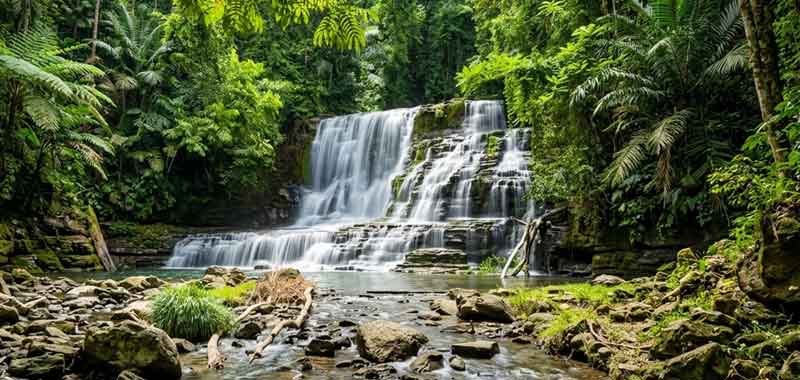
Zamboanga City rewards travelers who go beyond the beach. Locals call it Asia’s Latin City, a nod to its Spanish-Chavacano roots, and once you’re here it’s easy to see why. There’s a 400-year-old coral fortress, an indigenous weaving village, a pink-sand island, and a food scene built around a crab you genuinely can’t find anywhere else.
Here’s a local’s rundown of the best things to do in Zamboanga City, grouped the way most visitors actually spend their time: one day in the historic city center, one day on the water, and the food and culture that tie the whole trip together.
Table of Contents
ToggleQuick Answer: 15 Things to Do in Zamboanga City
- Light a candle at Fort Pilar
- Walk Paseo del Mar at sunset
- Step inside the Metropolitan Cathedral
- See City Hall and Plaza Pershing
- Reflect at Climaco Freedom Park
- Climb the Pasonanca Tree House
- Wander Pasonanca Park’s gardens and aviary
- Watch the weavers at Yakan Village
- Visit Taluksangay floating mosque
- Swim at Pink Beach, Great Santa Cruz Island
- Take a half-day tour of the city’s historic core
- Crack open curacha
- Cool down with a knickerbocker
- Have satti for breakfast
- Shop for Yakan textiles and pasalubong
Travel Advisory and Safety
Travel conditions and government advisories can change, so check the latest advisory from your government before traveling to Zamboanga City. This guide focuses on attractions and activities within Zamboanga City. Some areas elsewhere in the region are subject to higher travel restrictions, so do not assume that conditions in Zamboanga City apply to the entire Zamboanga Peninsula or nearby provinces.
For the latest information, check the current Philippines travel advisory from the U.S. Department of State and your own government’s travel advisory before your trip.
History & Culture in the City Center
Zamboanga City is home to a mix of historic, cultural, and natural attractions. The Department of Tourism highlights the Zamboanga Peninsula for destinations including Fort Pilar and Great Santa Cruz Island.
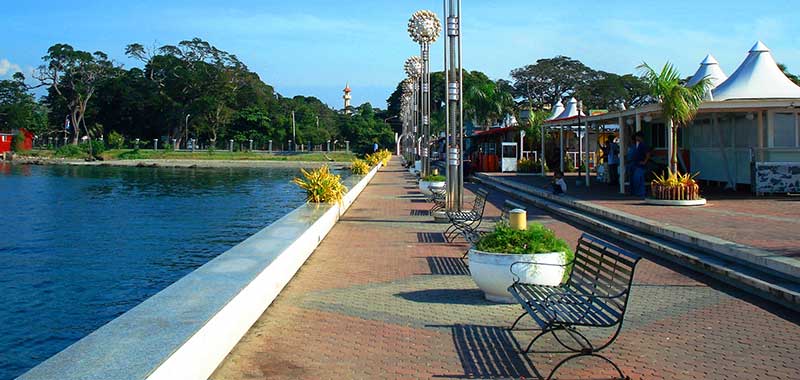
1. Light a Candle at Fort Pilar
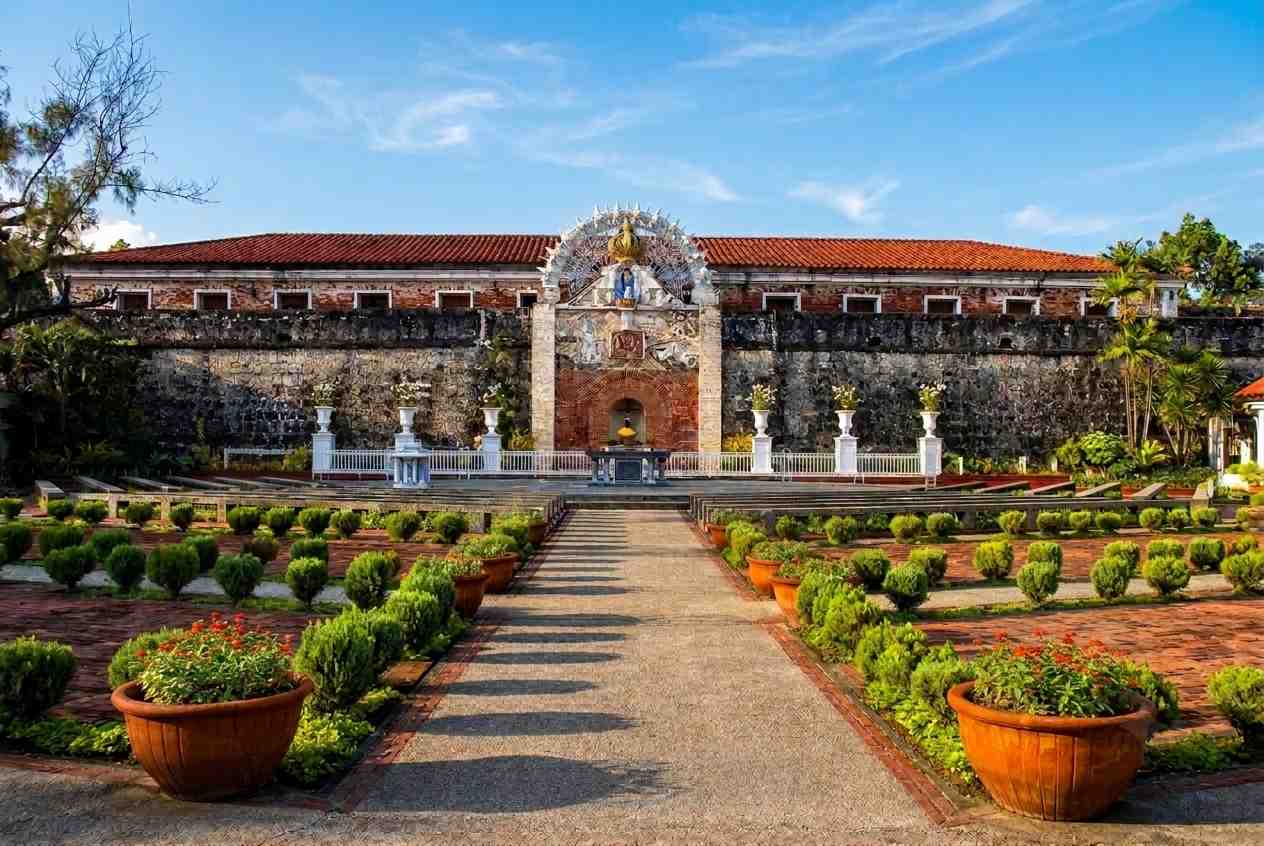
Fort Pilar is where most Zamboanga City itineraries start, and honestly, it should be. Spanish colonial forces built it in 1635 out of coral blocks, making it one of only four bastioned forts the Spanish ever put up in the Philippines. These days it does double duty: an outdoor Marian shrine open daily from 5:00 AM to 7:00 PM, and a National Museum branch covering the history and culture of Zamboanga and western Mindanao, open Tuesday through Sunday, roughly 9:00 AM to 5:00 PM (closed Mondays).
Entry to the shrine and outdoor grounds is free. The museum charges only a minimal fee, and it’s typically waived for Filipino citizens, students, and seniors. Locals tend to visit between 3:00 and 5:00 PM, which gives you time to tour the museum before closing, then catch the sunset over the Basilan Strait from the fort’s outer walls, when the coral stone turns gold. Dress modestly if you’re visiting the shrine, and don’t be surprised to see devotees lighting candles or attending Mass, especially on weekends.
2. Walk Paseo del Mar at Sunset
Right next to Fort Pilar is Paseo del Mar, a reclaimed waterfront esplanade that’s become the city’s go-to spot for watching the sun go down. Food stalls line the boardwalk selling grilled seafood and the city’s beloved knickerbocker dessert (more on that below). It pairs naturally with a Fort Pilar visit, and most people end up doing both in the same afternoon.
3. Step Inside the Metropolitan Cathedral of the Immaculate Conception
A short walk from Fort Pilar, the city’s Spanish-era cathedral anchors the downtown historic core alongside City Hall and Plaza Pershing. It’s a quiet stop, nothing flashy, but worth a few minutes if you’re already in the area. The interior artwork and Marian imagery reflect the same Hispanic-Catholic heritage that shaped Fort Pilar and gave the city its Chavacano language.
4. See City Hall and Plaza Pershing
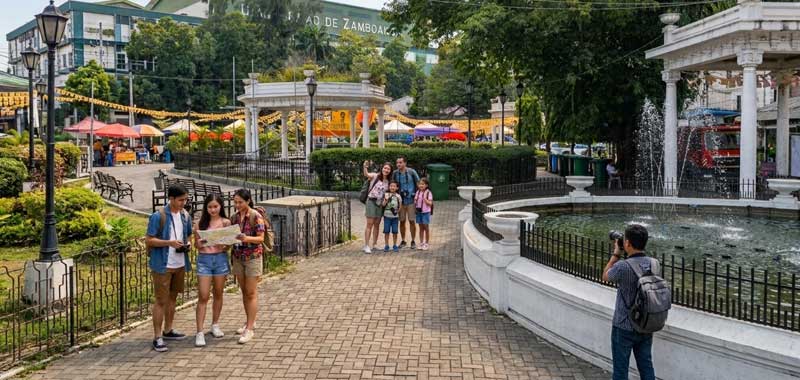
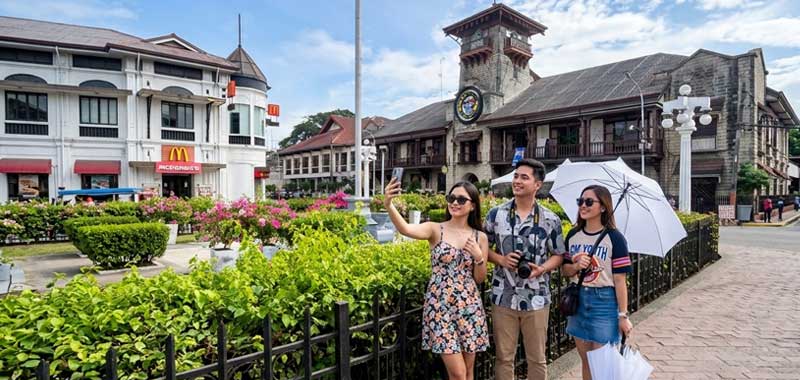
Zamboanga City Hall and the adjacent Plaza Pershing (named after U.S. Governor John J. Pershing, who also started construction on Pasonanca Park) form the civic heart of downtown. It’s a pleasant plaza for people-watching and photos, and it sits within walking distance of Fort Pilar, the cathedral, and Paseo del Mar. In fact, the whole historic core is walkable in a single morning or afternoon.
5. Reflect at Climaco Freedom Park
Named for Cesar Climaco, the city’s former mayor and a well-remembered local civic figure, this park is a quieter, more reflective stop than the busier tourist spots. It’s a good option if you want a slower-paced break between the historic core and wherever you’re headed next.
Nature Escapes Inside the City
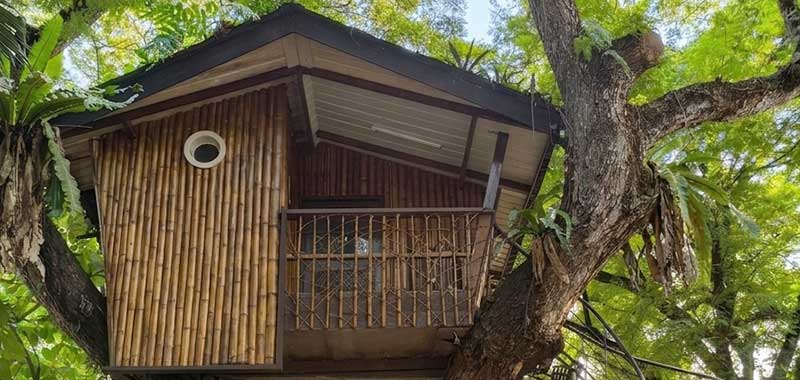
6. Climb the Pasonanca Tree House
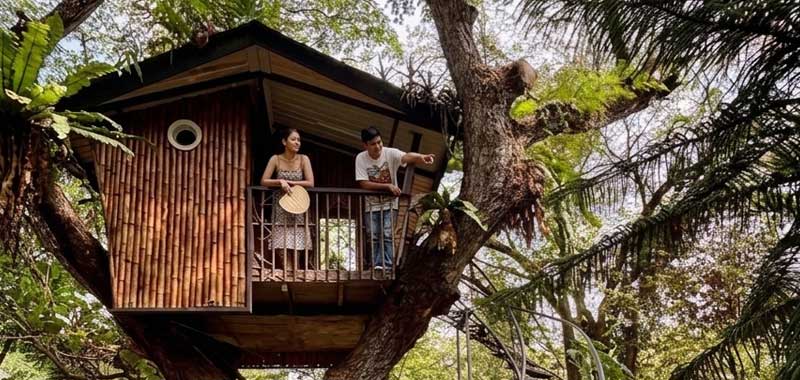
Locals will tell you this straight: you haven’t really been to Zamboanga City until you’ve climbed the Pasonanca Tree House. Built in 1960 as a youth training center, this wooden structure sits roughly 16 to 20 feet up in a century-old acacia tree, complete with two beds, a fan, and a bathroom. Visitors can actually arrange an overnight stay through the city government for a small fee. Even if you skip the overnight, climbing up for the view is the classic Zamboanga photo op. Just know the stairs are steep and open, so it’s not the best fit if heights make you nervous.
7. Wander Pasonanca Park’s Gardens and Aviary
The tree house sits inside Pasonanca Park, a sprawling green space open daily from about 6:00 AM to 6:30 PM, with free general entrance. Locals nickname it the “Little Baguio of the South” for its cool air and lush plantings. There’s a butterfly garden, a small aviary, three public pools, and shaded picnic spots, and the aviary and butterfly sections charge only a token fee (a few pesos) for upkeep. It’s a 10 to 15 minute tricycle ride from downtown, an easy, low-cost add-on to a Fort Pilar visit.
Living Culture: The Yakan and Sama Communities
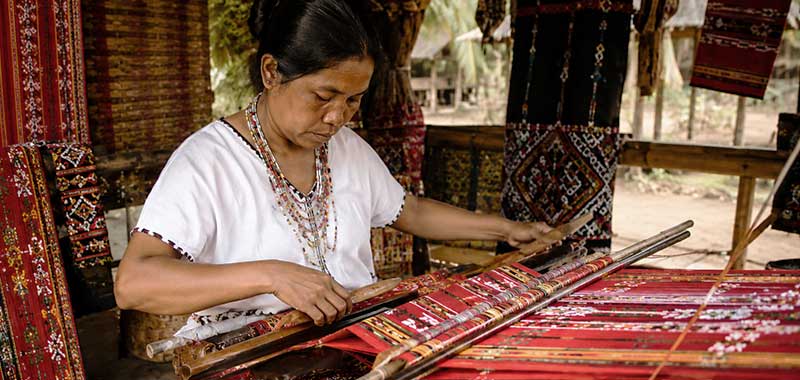
8. Watch the Weavers at Yakan Village
About 7 kilometers northwest of the city center in Upper Calarian, Yakan Village is where members of the Yakan people sell and demonstrate their handwoven textiles. Many originally came from Basilan Island, relocating to Zamboanga during periods of conflict. Each piece uses traditional nature-inspired patterns, like palipattang (rainbow), bunga-sama (python), and daen-dawen (vine), and no two woven pieces are exactly alike since every weaver has their own style.
Entrance is free. You’re really there to watch the looms in action and shop. Bring cash, expect to haggle, and budget about an hour. A jeepney bound for “Upper Calarian” from Valderosa Street near the public market will get you there. Just confirm with the driver that the route passes Gate 2, since not every Upper Calarian jeepney goes past the village.
9. Visit Taluksangay Floating Mosque
Taluksangay is a stilt community and mosque built over the water, home to the Sama Banguingi people. It’s one of the more distinctive cultural stops in the area, and it’s best visited with a local guide, both for navigation and for context. This is a living community, not a museum exhibit, so a respectful, guided visit matters.
Beaches & Island Hopping
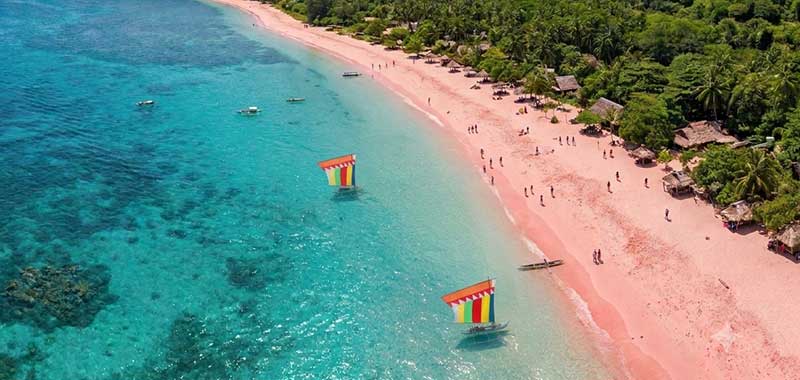
10. Swim at Pink Beach, Great Santa Cruz Island
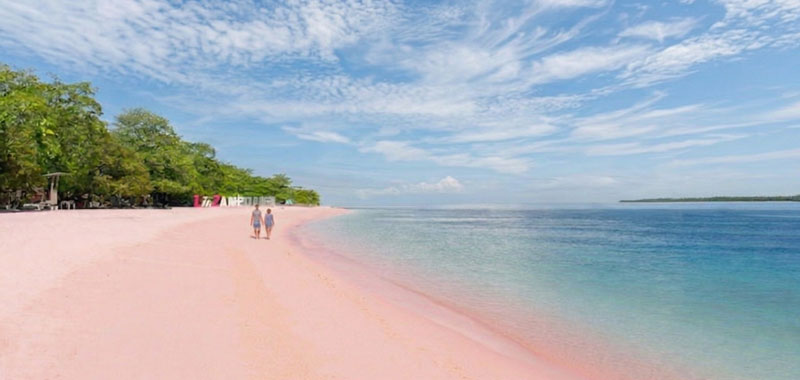
The signature day trip from Zamboanga City is Great Santa Cruz Island, a short boat ride from the mainland and home to the famous Pink Beach, where sand is tinted rose-pink by fragments of red organ-pipe coral, a natural attraction in Zamboanga Peninsula. It’s a protected, managed site, so the easiest and most reliable way to visit is with a licensed local operator rather than arranging a boat on your own.
Reserve your slot for the Pink Beach, Sta. Cruz Island tour →
Guided Zamboanga City Tours
If you prefer not to arrange transportation between Zamboanga City’s historic sites and cultural attractions yourself, you can request our Half Day City Tour. It gives you a more convenient way to explore key places around the city with a local tour operator.
11. Take a Half-Day Tour of the City’s Historic Core
If you’d rather not piece together tricycles and jeepneys between Fort Pilar, Plaza Pershing, City Hall, and Pasonanca Park on your own, a guided half-day city tour covers the historic downtown circuit in one trip. It’s a solid option if you’re short on time or traveling with family.
Eat Like a Zamboangueño
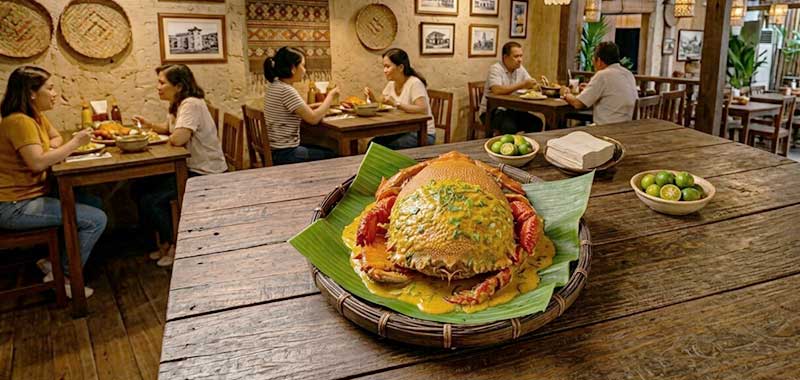
12. Crack Open Curacha
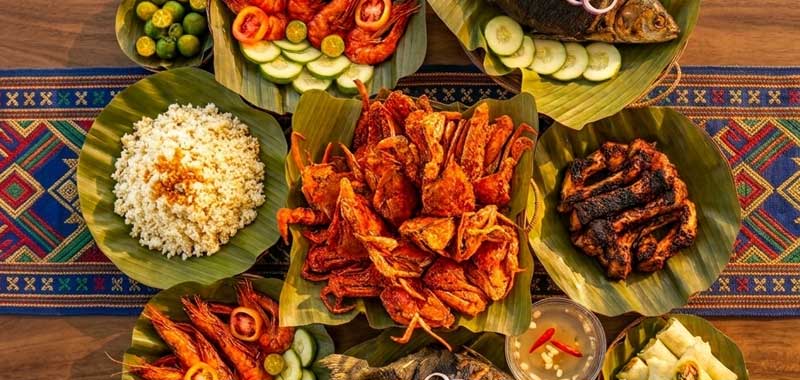
Ask any Zamboangueño what to eat first and the answer is curacha, a spanner crab found in the deep waters around Zamboanga and Sulu, and nowhere else in the country. It’s bigger and meatier than a typical crab, sold by the kilo, and traditionally cracked open by hand and eaten with your fingers.
The most famous version comes in Alavar sauce, a coconut-milk-and-spice recipe that’s become a signature of the city, served at Alavar Seafood Restaurant on Don Alfaro Street, Tetuan (open daily, 10:00 AM to 10:00 PM). It’s not a cheap dish, so go with a group and share.
13. Cool Down with a Knickerbocker
Think of the knickerbocker as Zamboanga’s answer to halo-halo: fresh sliced fruit (watermelon, mango, pineapple, apple), gelatin cubes, and condensed milk, topped with strawberry ice cream. It was invented at Hacienda de Palmeras and now gets sold all over the city, including the food stalls at Paseo del Mar. It’s the perfect way to cool off after a hot afternoon at Fort Pilar or Pasonanca Park.
14. Have Satti for Breakfast
Satti is Zamboanga’s go-to breakfast: skewered, grilled meat served with puso (rice steamed in a woven coconut-leaf pouch) and doused in a spicy, curry-like orange sauce. It’s heavier than a typical Filipino breakfast, but it’s the dish locals grew up on. Worth trying at least once during your stay.
Bring a Piece of Zamboanga Home
15. Shop for Yakan Textiles and Pasalubong
Beyond watching the weavers at Yakan Village, it’s also the best place to buy handwoven placemats, bags, scarves, and table runners, each one genuinely one-of-a-kind. For food-based pasalubong, look for frozen packs of Alavar sauce, dried lokot-lokot (a purple, glutinous rice-flour snack), and, if you’re willing to travel with a cooler, fresh curacha from the local wet markets.
Getting To and Around Zamboanga City
Zamboanga City is served by Zamboanga International Airport (IATA code: ZAM), with direct flights from Manila (about 1 hour 45 minutes), Cebu, Davao City, Iloilo, and Tawi-Tawi on Cebu Pacific, Philippine Airlines, and Cebgo.
Once you’re in the city, tricycles and jeepneys are the cheapest and most common way to get around, and short trips typically cost just a handful of pesos. Taxis and ride-hailing apps exist but aren’t used as heavily as in Metro Manila. Chavacano, Filipino, and English are all widely spoken, so language is rarely an issue for visitors.
Best Time to Visit Zamboanga City
The dry season, November through April, is the more reliable window, with calmer seas for island hopping and less rain. The wet season runs roughly May through October; there’s more rainfall, but the city is still very visitable. If you can time your trip for October, you’ll catch the Zamboanga Hermosa Festival, the city’s biggest annual celebration, with processions, a boat regatta, and cultural performances.
Suggested Itinerary: How to Combine These in 2–3 Days
- Day 1: Historic city center, including Fort Pilar, Plaza Pershing, City Hall, and Pasonanca Park and Tree House, capped off with curacha for dinner. Consider the Half Day City Tour if you’d rather not self-navigate.
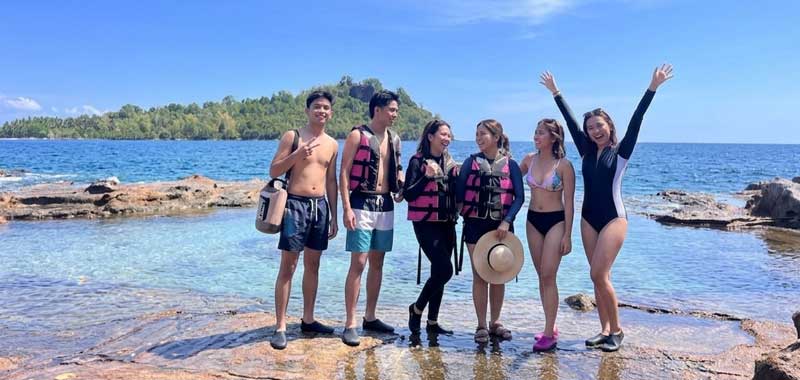
- Day 2: Full day at Pink Beach, Great Santa Cruz Island: swimming, snorkeling, and beach time.
- Day 3 (if you have it): Yakan Village for weaving and souvenirs, the Metropolitan Cathedral, and a satti breakfast before your flight out.
Frequently Asked Questions
What is Zamboanga City famous for?
Zamboanga City is known as “Asia’s Latin City” for its Chavacano language and Spanish-colonial heritage, its colorful vinta sailboats, the pink sand of Great Santa Cruz Island, and its distinctive local cuisine, especially curacha crab.
Is Zamboanga City safe for tourists?
Travel conditions and government advisories can change. Travelers should check their government’s latest advisory before visiting Zamboanga City and confirm current local conditions before traveling. This guide focuses on destinations within Zamboanga City and does not apply to areas elsewhere in the region that may have different travel advisories.
How many days do you need in Zamboanga City?
Two to three days is enough to cover the historic city center, a full day at Pink Beach, and time for food and shopping. Add a day if you want to visit Yakan Village and Taluksangay at a relaxed pace.
What's the best time of year to visit Zamboanga City?
November through April, the dry season, offers the calmest seas for island hopping. If cultural festivals interest you, October brings the Zamboanga Hermosa Festival, despite falling in the wet season.
Do I need a tour to visit Pink Beach on Great Santa Cruz Island?
Great Santa Cruz Island is a protected, managed site, so most visitors go with a licensed local operator rather than arranging a boat independently. It’s the simplest way to handle transport, timing, and any site fees in one booking.
What food should I try in Zamboanga City?
Curacha (a local spanner crab, usually served in Alavar sauce), knickerbocker (a fresh-fruit dessert similar to halo-halo), and satti (a spicy skewered-meat breakfast dish) are the three dishes locals recommend most to first-time visitors.
Ready to Experience Zamboanga City?
Whether it’s the pink sands of Great Santa Cruz Island or a guided walk through the historic city center, reserving your slot ahead of time means one less thing to plan once you land.