Table of Contents
ToggleWhen Is the Best Time to Visit Zamboanga City?
The best time to visit Zamboanga City for generally drier weather is January to April, with February through April offering some of the most favorable conditions for beach days and island hopping. If festivals are your priority, October is worth considering for the Zamboanga Hermosa Festival, although it is also one of the wetter months of the year.
Zamboanga City stays warm throughout the year, so rainfall and sea conditions are more important than temperature when choosing your travel dates. PAGASA’s 1991 to 2020 climatological normals show that February has the lowest average rainfall at 55.2 mm, followed by March at 67.8 mm and January at 69.1 mm. Rainfall generally increases from May onward and reaches its highest monthly average in October at 197.4 mm.
This guide breaks down Zamboanga City weather, festivals, sea conditions, and the best months for different types of travelers so you can choose your dates with more confidence.
The Best Time to Visit Zamboanga City: Quick Answer
Here’s the short version:
- Best overall months: February, March, and April, when Zamboanga City typically receives some of its lowest rainfall of the year.
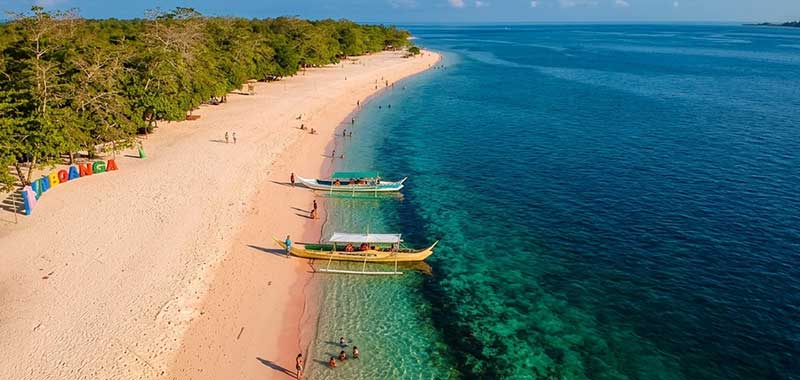
- Best for beach days and island hopping: February through April, when generally drier conditions can make outdoor and sea activities easier to plan.
- Best for festivals: October, when the Zamboanga Hermosa Festival takes place and the city celebrates the feast of Nuestra Señora del Pilar on October 12.
- Best for a quieter trip: January and February can offer a good balance of favorable weather and fewer festival-related crowds.
- Months to plan more carefully: June through October generally have more rainfall than the first part of the year, so keep your outdoor plans flexible and check the forecast before traveling.
Zamboanga City Weather, Season by Season
Understanding Zamboanga City weather is important when deciding the best time to visit Zamboanga City.
Zamboanga City stays warm throughout the year, with relatively small changes in temperature between months.
Daytime temperatures generally reach the low-to-mid 30s Celsius. What changes more noticeably throughout the year is rainfall.
That makes rainfall and sea conditions more important than temperature when choosing your travel dates.
Generally Drier Months: January to April
Zamboanga City does not have the same pronounced dry and wet season pattern found in some other parts of the Philippines. However, PAGASA climate data shows a clear difference in average rainfall across the year.
January through April are generally the drier months. February has the lowest average rainfall at 55.2 mm, followed by March at 67.8 mm, January at 69.1 mm, and April at 77.0 mm.
These months can be a good choice if your plans include beaches, photography, outdoor sightseeing, or island hopping. Weather conditions can still change from day to day, so a favorable month does not guarantee clear skies or calm seas on every date.
March and April are also among the warmer months. PAGASA records average maximum temperatures of 33.1°C in March and 33.2°C in April, so bring sun protection, stay hydrated, and plan outdoor activities with the heat in mind.
For travelers who want the best balance of lower rainfall and comfortable conditions for outdoor activities, February through April is a strong window to consider.
Wetter Months: June to October
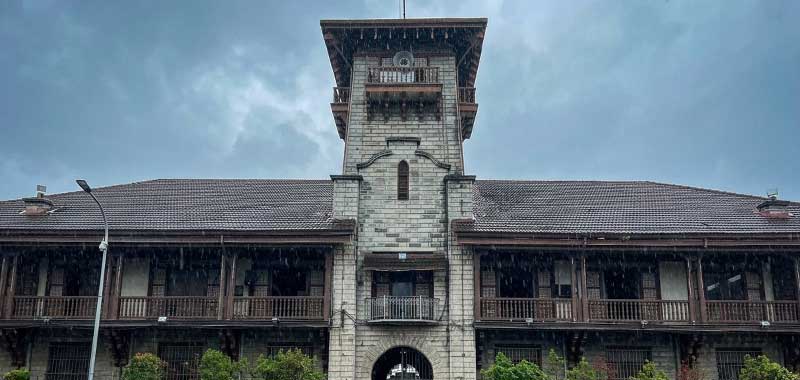
Rainfall generally increases from May onward, with June through October recording higher average rainfall than the first four months of the year. PAGASA’s 1991 to 2020 climatological normals show October with the highest average monthly rainfall at 197.4 mm, followed by September at 160.4 mm and July at 150.3 mm.
That does not mean it rains continuously throughout the day. Weather can vary from one date to another, and a wetter month can still include useful windows for sightseeing and outdoor activities.
The main consideration for travelers planning island hopping is sea and weather conditions on the day of the trip. Strong winds, waves, thunderstorms, or other unfavorable conditions can affect boat travel. Check the latest weather forecast before your trip and remain flexible with outdoor activities when conditions change.
October is particularly interesting for travelers who want to experience local culture because it coincides with the Zamboanga Hermosa Festival. You may encounter more rain during this month, but the festival can make October worthwhile if cultural experiences are your priority.
Sea Conditions and Water Temperature
Zamboanga’s coastal climate means the water remains warm throughout much of the year. For island hopping, however, water temperature is usually less important than wind, waves, and the weather conditions on the day of your trip.
February through April are attractive months for travelers who want to include island hopping in their itinerary because these months generally have lower rainfall than the wetter part of the year. However, favorable monthly climate patterns cannot guarantee calm seas on a particular day.
If you are planning an island tour, check the latest weather and sea conditions before departure and follow the advice of your local tour operator.
Zamboanga's Festival Calendar
Zamboanga City doesn’t do quiet celebrations. If you time your trip right, you can build your whole itinerary around one of these.
Zamboanga Hermosa Festival (Fiesta Pilar), Every October
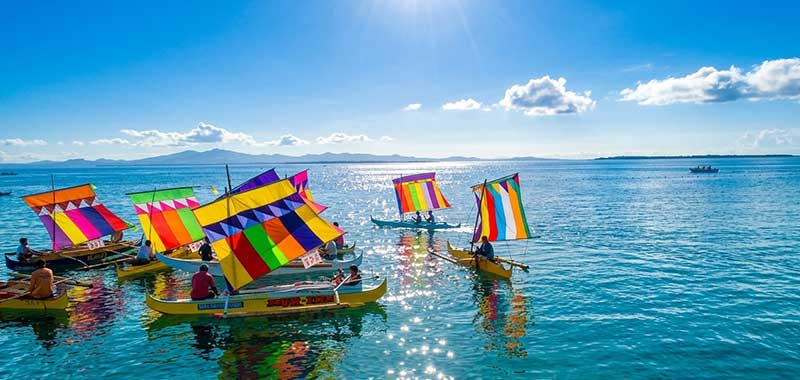
This is the big one. Zamboanga Hermosa Festival, also called Fiesta Pilar, is a month-long celebration honoring Nuestra Señora del Pilar, the city’s patroness.
The celebration builds toward her feast day on October 12, a special non-working holiday across the city.
Expect a full calendar of street dancing, the Regatta de Zamboanga, a colorful vinta boat race in the harbor, beauty pageants, cultural showcases, agricultural fairs, and a solemn procession that draws thousands.
If you’re planning around this festival, consider reserving your accommodation and tours early, especially if you have fixed travel dates.
October also has the highest average monthly rainfall in PAGASA’s 1991 to 2020 climatological normals, so pack for changing weather and build some flexibility into outdoor plans.
Dia de Zamboanga (Charter Day), Every February
Every February 26, Zamboanga City marks Dia de la Ciudad de Zamboanga, commemorating the day the city’s first appointed officials took office back in 1937. The celebration usually stretches across most of the month, with a civic-military parade, local achievers’ awards, sports events, and community programs building up to the main event on the 26th.
Because this falls right in the middle of the dry season, it’s genuinely one of the best windows on the calendar: great weather, real local culture, and none of the October crowds.
Other Celebrations Worth Knowing About
Zamboanga also holds smaller seasonal events worth asking your host or tour guide about, including Christmas season festivities (Festival de Navidad) in December, when the city leans fully into its “City of Flowers” reputation with lights and décor. If you’re chasing a specific event, tell us your travel window and we’ll point you toward what’s happening that week.
Best Time to Visit Zamboanga City by Travel Style
For Beach Days and Island Hopping
Consider February through April. These months have some of the lowest average rainfall in Zamboanga City, which can make them a practical choice for travelers planning beach activities and island tours. Sea conditions can still change, so check the forecast before your scheduled trip.
For Festival Energy and Culture
Consider October if you want to experience the Zamboanga Hermosa Festival. The celebration takes place throughout the month and centers around the feast of Nuestra Señora del Pilar on October 12. October is also one of the wetter months, so allow some flexibility for outdoor activities.
For a Quieter Trip
January and February can be good options if you want to experience Zamboanga City before the October festival period and during one of the year’s generally drier periods. Your actual experience will still depend on travel dates, holidays, and local events.
For Families with Kids
February through April can be a practical choice for families planning outdoor activities because these months generally have lower rainfall. If you are planning an island trip, check the latest weather and sea conditions before departure and allow flexibility in your itinerary.
Month-by-Month Snapshot
Zamboanga City stays warm throughout the year, but rainfall varies considerably by month. The table below uses PAGASA’s 1991 to 2020 climatological normals as a general planning guide. Actual weather can vary from year to year.
If you’re still deciding on the best time to visit Zamboanga City, this month-by-month guide gives you a quick comparison of rainfall patterns and what each month may be suitable for.
| Month | Average Rainfall | General Weather Pattern | Good For |
|---|---|---|---|
| January | 69.1 mm | Generally drier | Beach days, sightseeing, outdoor activities |
| February | 55.2 mm | Lowest average rainfall | Island hopping, beaches, outdoor activities |
| March | 67.8 mm | Generally drier and warmer | Island hopping, photography, beaches |
| April | 77.0 mm | Generally drier and hot | Beach activities, photography, outdoor sightseeing |
| May | 90.4 mm | Rainfall begins to increase | Outdoor activities with flexible plans |
| June | 140.4 mm | Wetter conditions | Indoor and outdoor activities with flexibility |
| July | 150.3 mm | Wetter conditions | Flexible itineraries and cultural activities |
| August | 133.7 mm | Wetter conditions | City sightseeing and flexible outdoor plans |
| September | 160.4 mm | Higher rainfall | Cultural activities and flexible itineraries |
| October | 197.4 mm | Highest average rainfall | Zamboanga Hermosa Festival |
| November | 104.9 mm | Rainfall generally lower than October | City sightseeing and cultural activities |
| December | 75.8 mm | Lower average rainfall | Festive activities and sightseeing |
When to Reserve Your Zamboanga Tour
Your preferred travel dates can affect tour availability, especially during major festivals, holidays, and other busy travel periods.
If you are traveling on fixed dates, consider requesting your preferred tour schedule ahead of time. This gives you more time to confirm availability and adjust your itinerary if needed.
For island tours, also keep weather conditions in mind. Sea and weather conditions can affect outdoor activities, so having some flexibility in your itinerary can be helpful during wetter months.
If you already know your travel dates, you can explore the available Zamboanga tours and request the schedule that fits your trip.
Frequently Asked Questions
What is the best time to visit Zamboanga City?
The best time to visit Zamboanga City for generally drier weather is February through April. February has the lowest average rainfall based on PAGASA’s 1991 to 2020 climatological normals, while March and April also have relatively low rainfall.
Is Zamboanga City hot all year round?
When is the Zamboanga Hermosa Festival?
Does it rain every day during the wet season in Zamboanga?
How far in advance should I reserve a Zamboanga island tour?
Is Zamboanga City affected by typhoons?
About the Weather Data
The climate information in this guide is based on PAGASA’s 1991 to 2020 climatological normals for the Zamboanga station.
These figures describe long-term climate patterns. They are not a forecast for your specific travel dates.
Check the latest PAGASA weather information before your trip.
Start Planning Your Zamboanga Trip

Once you’ve chosen the best time to visit Zamboanga City, explore our tours and start planning the experiences you want to include in your trip. You can request a schedule for the dates you prefer and build your itinerary around the experiences you want to have.
For outdoor activities and island hopping, check the latest weather conditions before your trip and keep some flexibility in your plans.
Explore our Zamboanga tours, including the Pink Beach Sta. Cruz Island tour and Half Day City Tour, and start planning your visit based on the time of year that suits you best.